
Research Progress
-
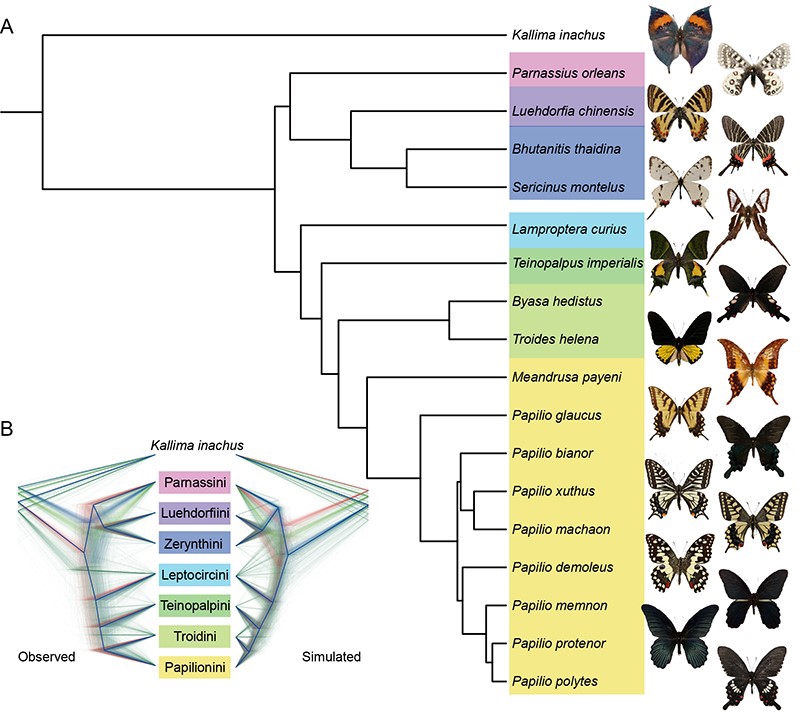 New swallowtail butterfly genomes provide insights into their coloration evolutionChinese scientists reported high quality genomes of 11 swallowtail butterfly species covering the representatives of all tribes in the subfamilies Papilioinae and Parnassiinae. They explained the genetic molecular mechanism of papiliochromes, a unique class of pigments in swallowtail butterfly which contribute to their color diversity and various biological functions such as predator avoidance and mate preference. These swallowtail butterfly genomes will allow us to explore the genetic basis of butterfly diversity, and also will provide important data resource for conservation of butterfliesApr 29, 2022
 -
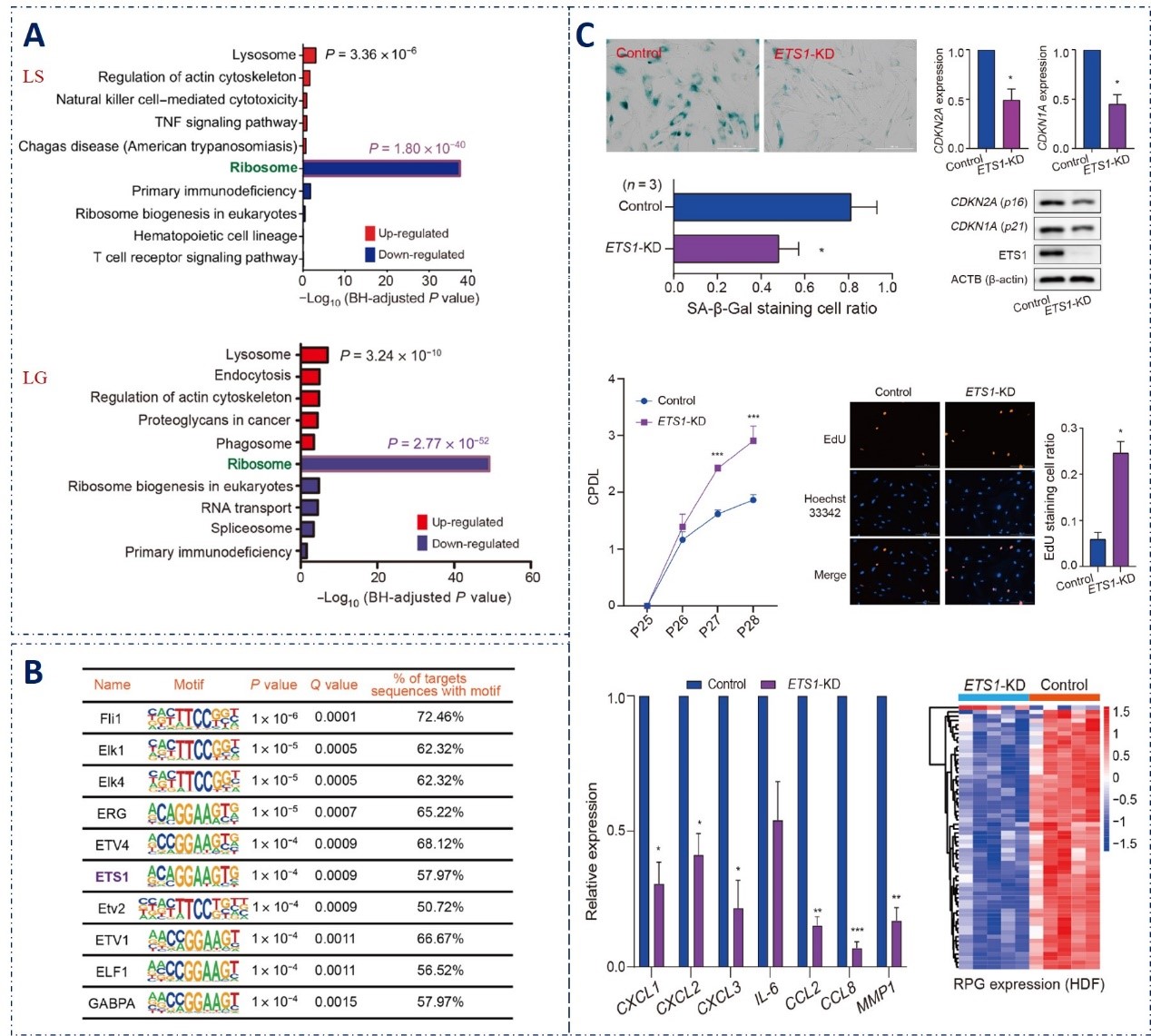 Chinese longevity population study deciphers that reduced ribosome function regulated by ETS1 is a novel mechanism for human healthy aging and longevityAdaptation to reduced energy production during aging is a fundamental issue for maintaining healthspan or prolonging life span. Currently, however, the underlying mechanism in long-lived people remains poorly understood. Here, we analyzed transcriptomes of 185 long-lived individuals (LLIs) and 86 spouses of their children from two independent Chinese longevity cohorts and found that the ribosome pathway was significantly down-regulated in LLIs. We found that the down-regulation is likely controlled by ETS1 (ETS proto-oncogene 1), a transcription factor down-regulated in LLIs and positively coexpressed with most ribosomal protein genes (RPGs). Functional assays showed that ETS1 can bind to RPG promoters, while ETS1 knockdown reduces RPG expression and alleviates cellular senescence in human dermal fibroblast (HDF) and embryonic lung fibroblast (IMR-90) cells.Apr 29, 2022
 -
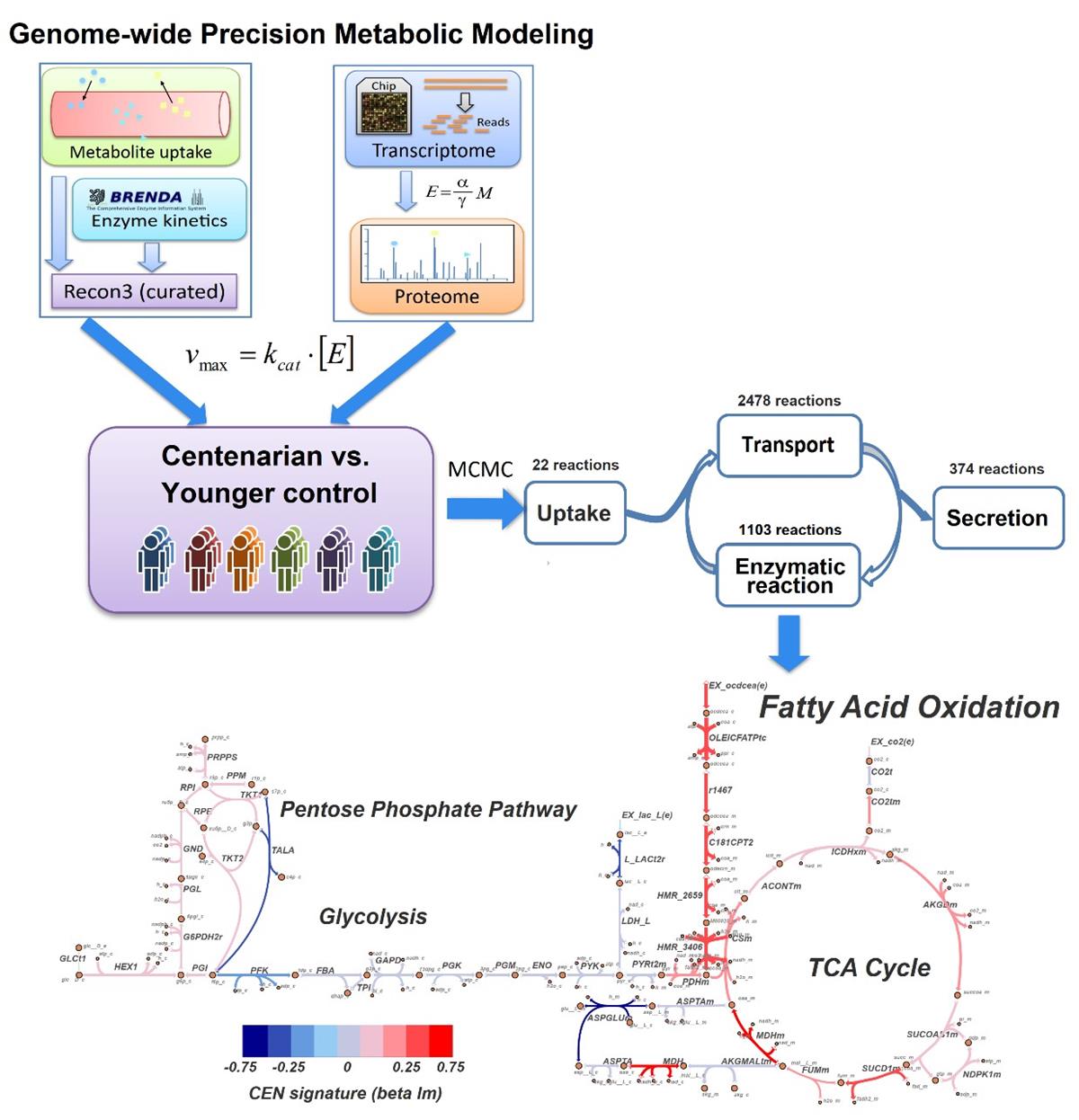 Scientists found enhanced fatty acid oxidation as a key metabolic signature in centenariansTo better understand the metabolic mechanisms of healthy aging, scientists developed a method of genome-wide precision metabolic modeling (GPMM) which is able to quantitatively integrate transcriptome, proteome and kinetome data in predictive modeling of metabolic networks. Using this approach, scientists examined the metabolic networks of a Chinese centenarian cohort and identified the elevated fatty acid oxidation (FAO) as the most significant metabolic feature in these long-lived individuals. Evidence from serum metabolomics supports this observation. Given that FAO declines with normal aging and is impaired in many age-related diseases, this study suggests that the elevated FAO has potential to be a novel signature of healthy aging of humans.Apr 11, 2022
 -
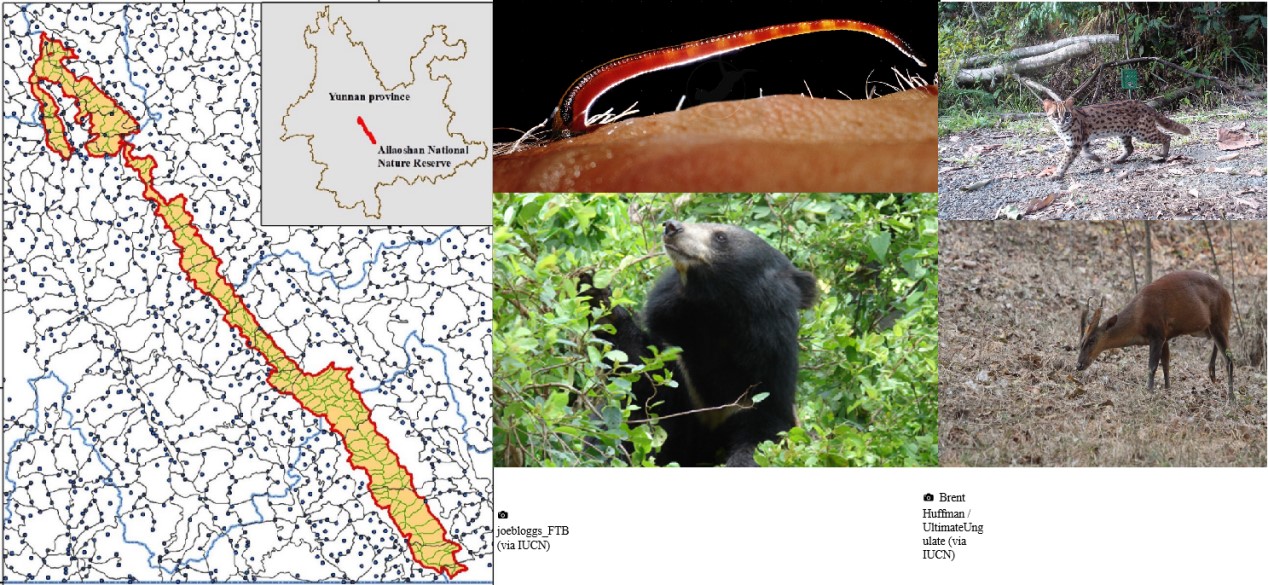 Scientists measure large protected area conservation effectiveness using vertebrate distributions from leech iDNAProtected areas are key to meeting biodiversity conservation goals, but direct measures of effectiveness have proven difficult to obtain.Vertebrate occupancies are a direct measure of conservation outcomes that can help guide protected-area management and improve the contributions that protected areas make towards global biodiversity goals. Here, we show the feasibility of using invertebrate-derived DNA to estimate spatially-resolved vertebrate occupancies across entire protected areas.Apr 01, 2022
 -
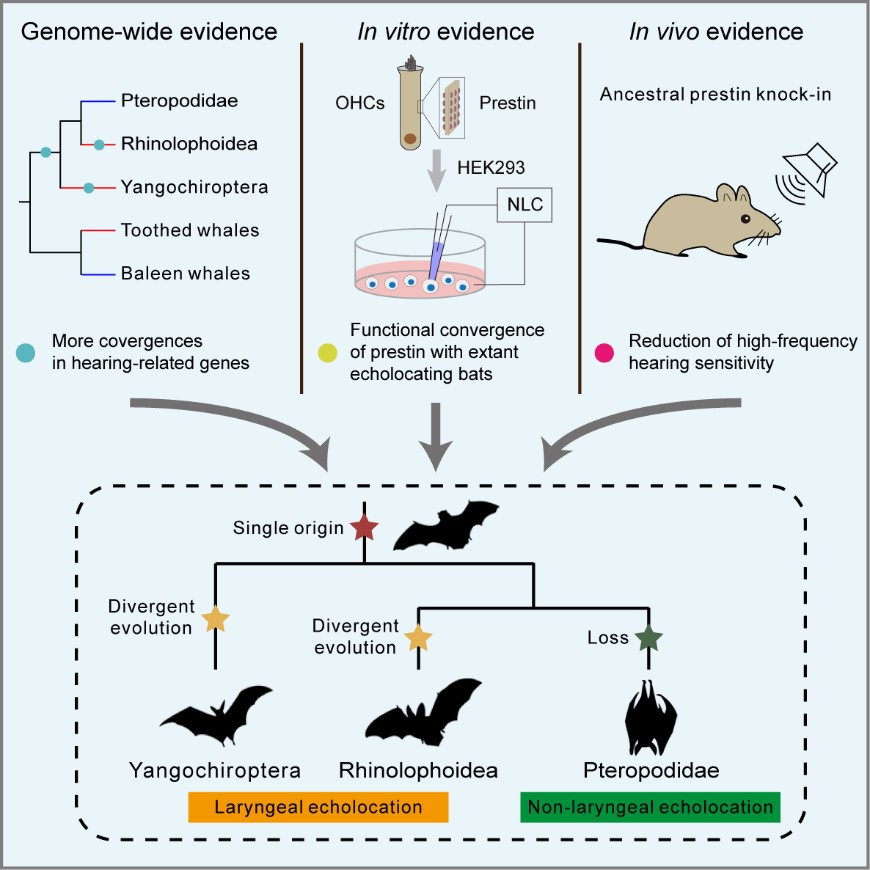 Scientists found new evidence for a single origin of laryngeal echolocation in batsThis study performed three independent pieces of evidence to test whether the laryngeal echolocation in bats originated once, including genome-wide molecular convergence analyses, cellar functional experiments, and transgenic mice. As the result, more convergences in hearing-related genes between ancestral branches of bats and the echolocating toothed whales, including the last common ancestors of bats (LCAB), the ancestral branch of Rhinolophoidea, and the ancestral branch of Yangochiroptera; The resurrected echolocation-related gene prestin in LCAB functioned similarly to those of the extant echolocating bats but differed from the last common ancestors of Pteropodidae (LCAP) prestin; The high-frequency hearing sensitivity of the LCAP-prestin knock-in mice decreased compared with the LCAB-prestin knock-in mice. These results support that echolocation in bats originates from their common ancestor and the subsequent loss in the LCAP.Apr 01, 2022
 -
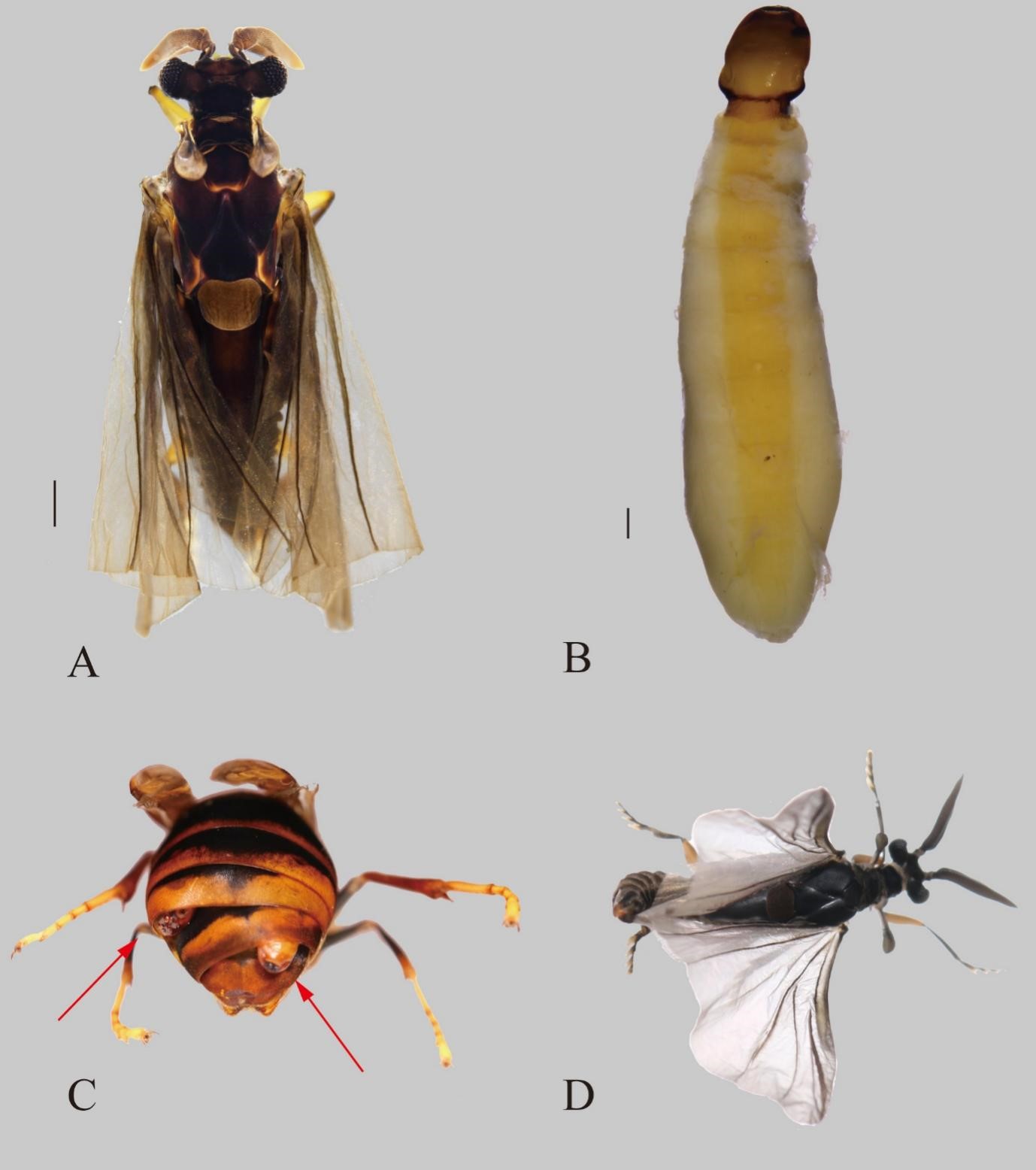 Scientists found a new twisted-wing parasite species (Strepsiptera, Xenidae) in Gaoligong Mountains, Southwest ChinaChinese Scientists from Kunming Institute of Zoology of the Chinese Academy of Sciences and China Agricultural University report a new twisted-wing parasite species of the family Xenidae based on both morphological and molecular evidence. By using nearly complete mitogenomes, we confirmed the twisted-wing parasites respectively on two wasps (Vespa velutina and Vespa bicolor) (China: Yunnan) as the same species and associated its neotenic females and alate males. Combining the mitogenomic data (COI) and morphological traits, this species was identified to be a new species of the genus Xenos, namely Xenos yangi Dong, Liu & Li sp. nov.. Detailed descriptions and illustrations are provided for the new species.Feb 18, 2022
 -
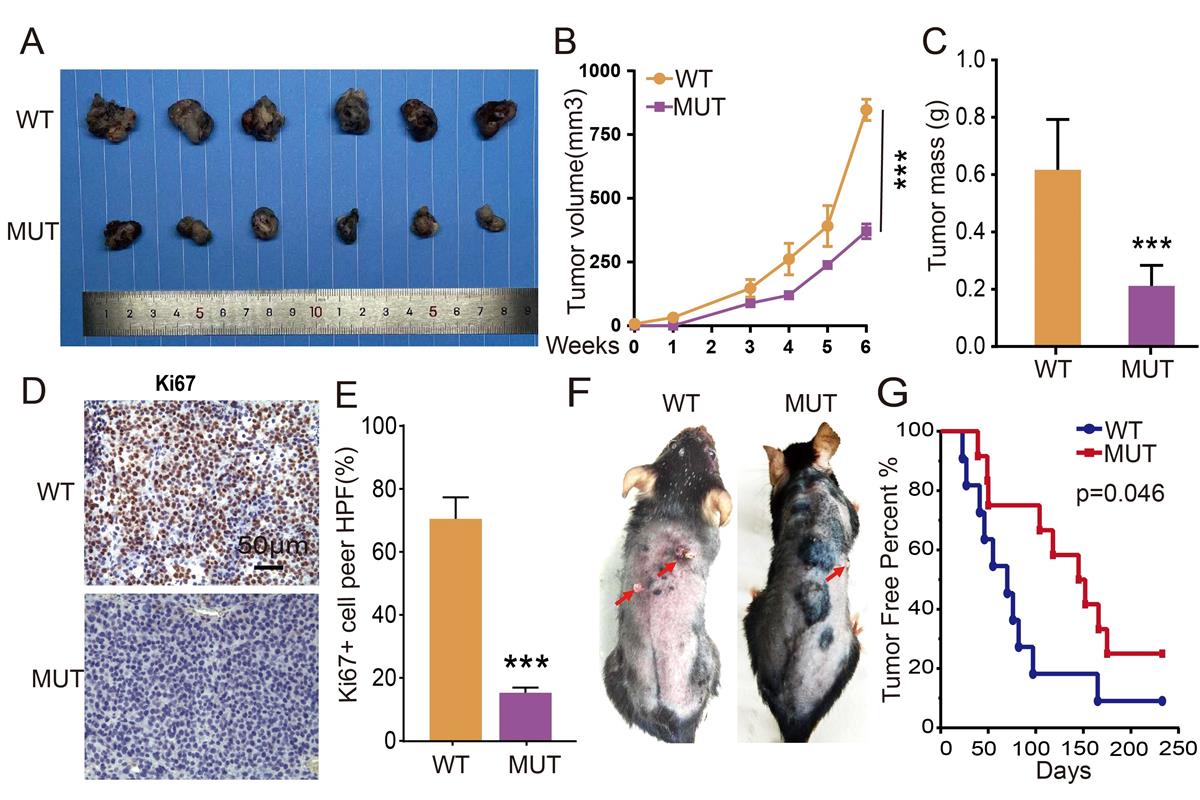 RETSAT mutation selected for hypoxia adaptation inhibits tumor growthHypoxia occurs not only in natural environments including high altitude, underground burrows and deep sea, but also in human pathological conditions, such as hypoxic solid tumors. It has been well documented that hypoxia related signaling pathway is associated with a poor clinical outcome. Our group has recently identified multiple novel genes critical for solid tumor growth comparing the genome-wide convergent/parallel sequence evolution of highland mammals. Among them, a single mutation on the retinol saturase gene (RETSAT) containing amino acid switch from glutamine (Q) to arginine (R) at the position 247 was identified.Nov 26, 2021
 -
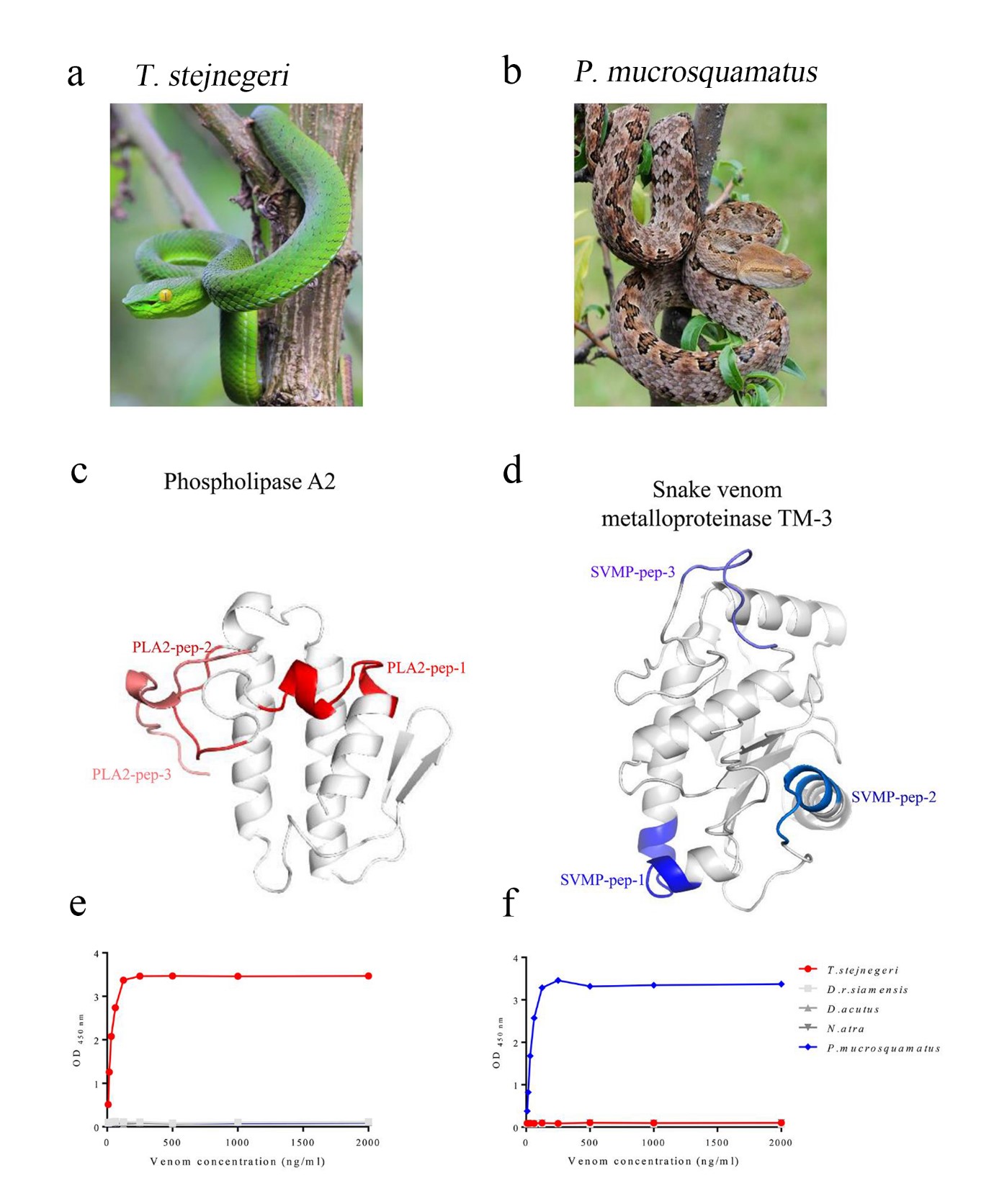 Researchers Uncover a Strategy for Efficient preparation of genus-specific diagnostic antibodies for snakebitesA research team led by Prof. Lai Ren from Kunming Institute of Zoology of the Chinese Academy of Sciences reported an efficient strategy for preparation of genus-specific diagnostic antibodies for snakebites. According to the strategy, diagnostic antibodies against genus Trimeresurus and genus Protobothrop were successfully developed. The strategy was published in Frontiers in immunology on 9th November.Nov 16, 2021
 -
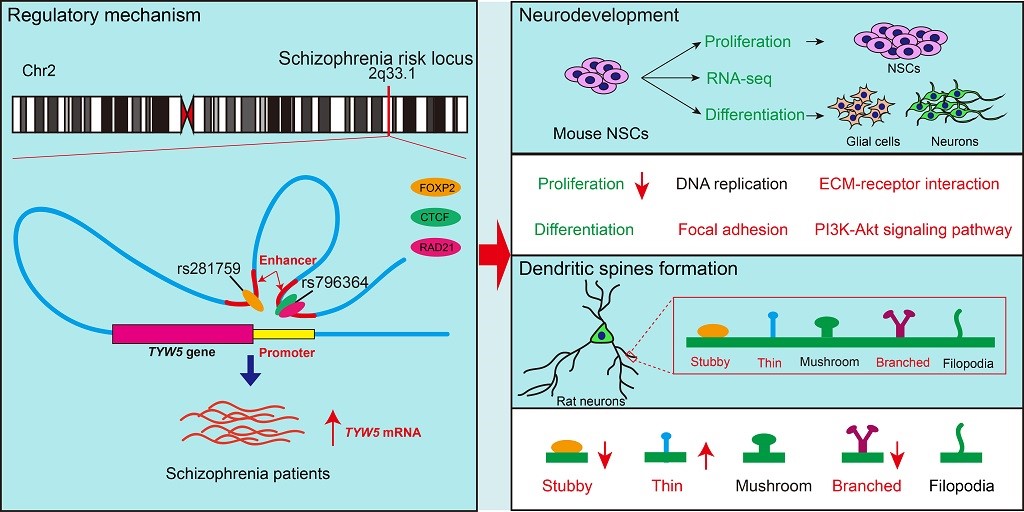 Researchers reveal the molecular regulatory mechanism in schizophrenia susceptibility locus 2q33.1The insight of molecular regulatory mechanism in locus 2q33.1 helped us to further understand the genetic basis of schizophrenia. Researchers used serial functional experiments to prove the proposed regulatory mechanism in schizophrenia susceptibility locus 2q33.1, and found that TYW5 is a novel schizophrenia susceptibility gene and affected neurodevelopment and dendritic spines formation in vitro. These results demonstrated that schizophrenia susceptibility gene may play important roles on neurodevelopment. Further supported that neurodevelopmental hypothesis of schizophrenia.Nov 02, 2021
 -
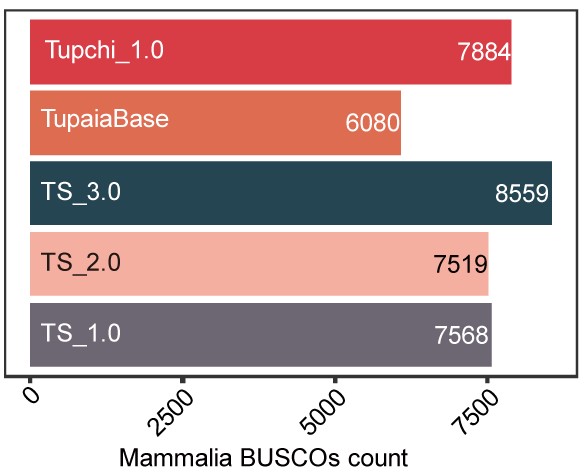 New version of Chinese tree shrew genome annotation was releasedThe new version (KIZ version3, TS_3.0) of Chinese tree shrew genome annotation was released and published in Zoological Research. Researchers collected a total of 234 high-quality RNA sequencing (RNA-seq) datasets and two long-read isoform sequencing (ISO-seq) datasets and improved the annotation of previously assembled high-quality chromosome-level tree shrew genome, a total of 3?514 newly annotated coding genes and 50?576 lncRNA genes were obtained. The newly annotated tree shrew genome is available at http://www.treeshrewdb.org and provides an essential reference for basic and biomedical studies using tree shrew animal models.Nov 02, 2021