Headlines
-
 Welcome to KIZKIZ located in one of the planet's most vibrant biological hotspots, here, groundbreaking research in primatology, evolutionary genetics, and biodiversity conservation isn't just theoretical. It's transforming how we understand health, sustain our planet, and innovate for the future.Dec 04, 2025
 -
 ProfileFounded in April 1959, the Kunming Institute of Zoology, affiliated with the Chinese Academy of Sciences, is a comprehensive research institution in China focusing on biodiversity evolution, conservation, and sustainable utilization.Dec 04, 2025
 -
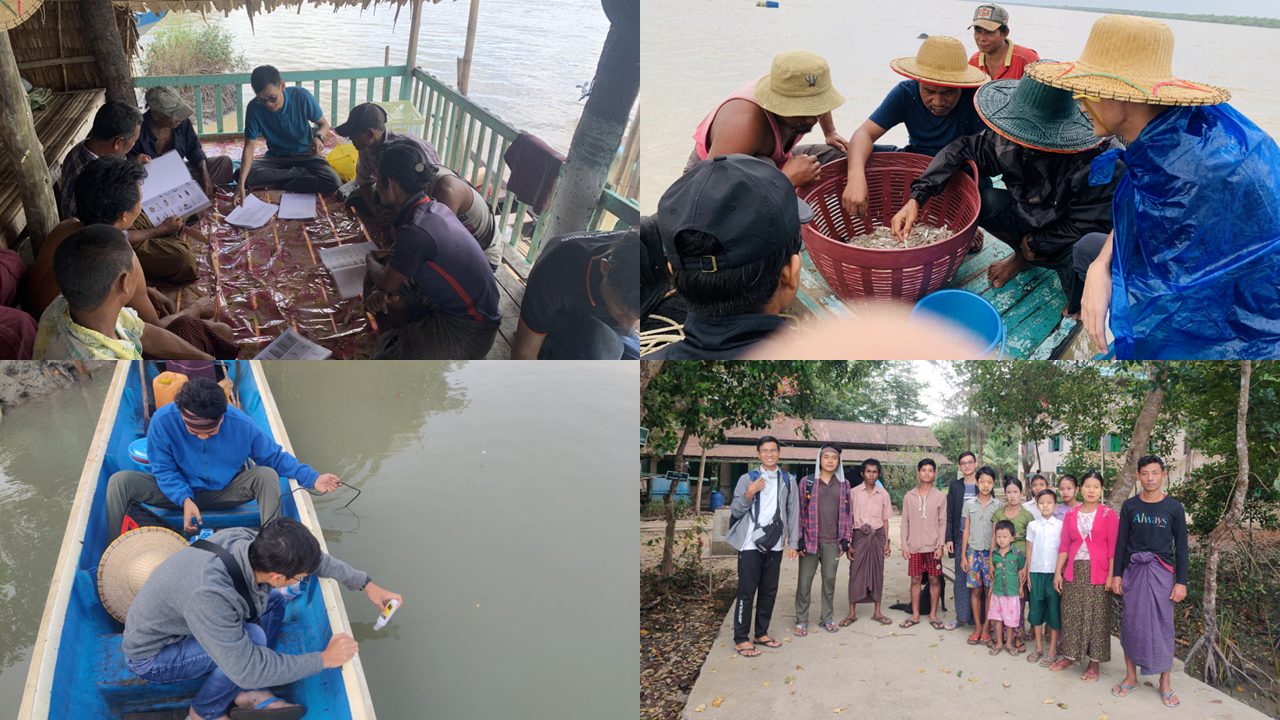 Mangrove Micro-climates Safeguard Estuarine Fish Diversity Against Thermal Stress and Salinity Intrusion in the Irrawaddy DeltaIn the era of global climate change, estuarine ecosystems face unprecedented threats from rising temperatures and salinity intrusion. Understanding how different land-use types buffer or exacerbate these stressors is critical for biodiversity conservation. This study employs a trait-based scenario simulation model approach to predict the vulnerability of fish assemblages across mangrove and agricultural landscapes in the Irrawaddy Delta. By extracting species-specific physiological tolerance limits (thermal and salinity thresholds) and applying scenario-based predictive modeling, we simulated projected threshold exceedance risks under sequential thermal stress intervals (+0.2 to +2.0 °C). Our results reveal a stark contrast in ecosystem resilience. Fish assemblages in agricultural lands exhibited critically low Thermal Safety Margins (TSM) and experienced a rapid 100% projected loss in species richness by +1.2 °C. Conversely, natural mangrove habitats functioned as robust climate refugia, sustaining higher predicted species richness and mitigating species loss to approximately 32.5–52.4% even under severe +2.0 °C thermal stress. This high-resolution spatial vulnerability assessment provides actionable insights for spatial prioritization and coastal conservation in Myanmar.Sep 18, 2026
 -
 Habitat Complexity and Detritus Safeguard Fish Diversity and Food Web Dynamics in Irrawaddy Delta MangrovesThe Irrawaddy mangrove ecosystem in Myanmar is a crucial habitat for aquatic biodiversity, yet its ecological dynamics remain understudied. This research explored the seasonal variation, spatial dynamics, and trophic structure of fish assemblages in Pyapon and Bogale townships, Myanmar. Seasonal and market surveys recorded 129 fish species from 64 families, with Mystus gulio, Oryzias dancena, Coilia dussumieri, and Glossogobius giuris dominating the community. Seasonal shifts significantly influenced species diversity. Winter exhibited the highest species richness and diversity, while summer displayed the lowest. Nevertheless, species evenness remained highly stable across all seasons, suggesting a consistently balanced community. Moving beyond basic water parameters, multivariate analyses demonstrated that habitat complexity and food web dynamics are likely key drivers of community structuring. Permutational multivariate analysis of variance revealed a highly significant spatial separation of fish assemblages between mangrove and agricultural land habitats. Furthermore, indicator species analysis identified specific taxa driving this divergence, while functional feeding guild analysis revealed a marked dominance of benthivores and detritivores in mangrove sites. This highlights the critical role of mangrove-derived organic matter in supporting the estuarine food web. The presence of four threatened species, including the Endangered Eleutheronema tetradactylum and Johnius macrorhynus, demonstrates that preserving the physical integrity and trophic inputs of mangroves is paramount for sustaining estuarine fish diversity and supporting sustainable local fisheries management.Sep 18, 2026
 -
 KIZ Study Identifies Cortical Cell Types Underlying Schizophrenia Genetic RiskIn a study published in Molecular Psychiatry on September 4, 2026, a team led by Xiao Xiao from the Kunming Institute of Zoology (KIZ) of the Chinese Academy of Sciences, along with collaborators from Jinan University and Xi'an Jiaotong University First Affiliated Hospital, integrated genome-wide association study data, whole-exome sequencing data, and human brain cortical developmental multi-omics data to identify cortical cell types underlying schizophrenia genetic risk. The researchers built an atlas of approximately 3 million nuclei from 325 neurotypical donors, using 22 public single-nucleus RNA sequencing datasets. The data spanned from early embryonic development to adulthood, covering the cingulate, frontal, motor, temporal, and visual cortices.Sep 04, 2026
 -
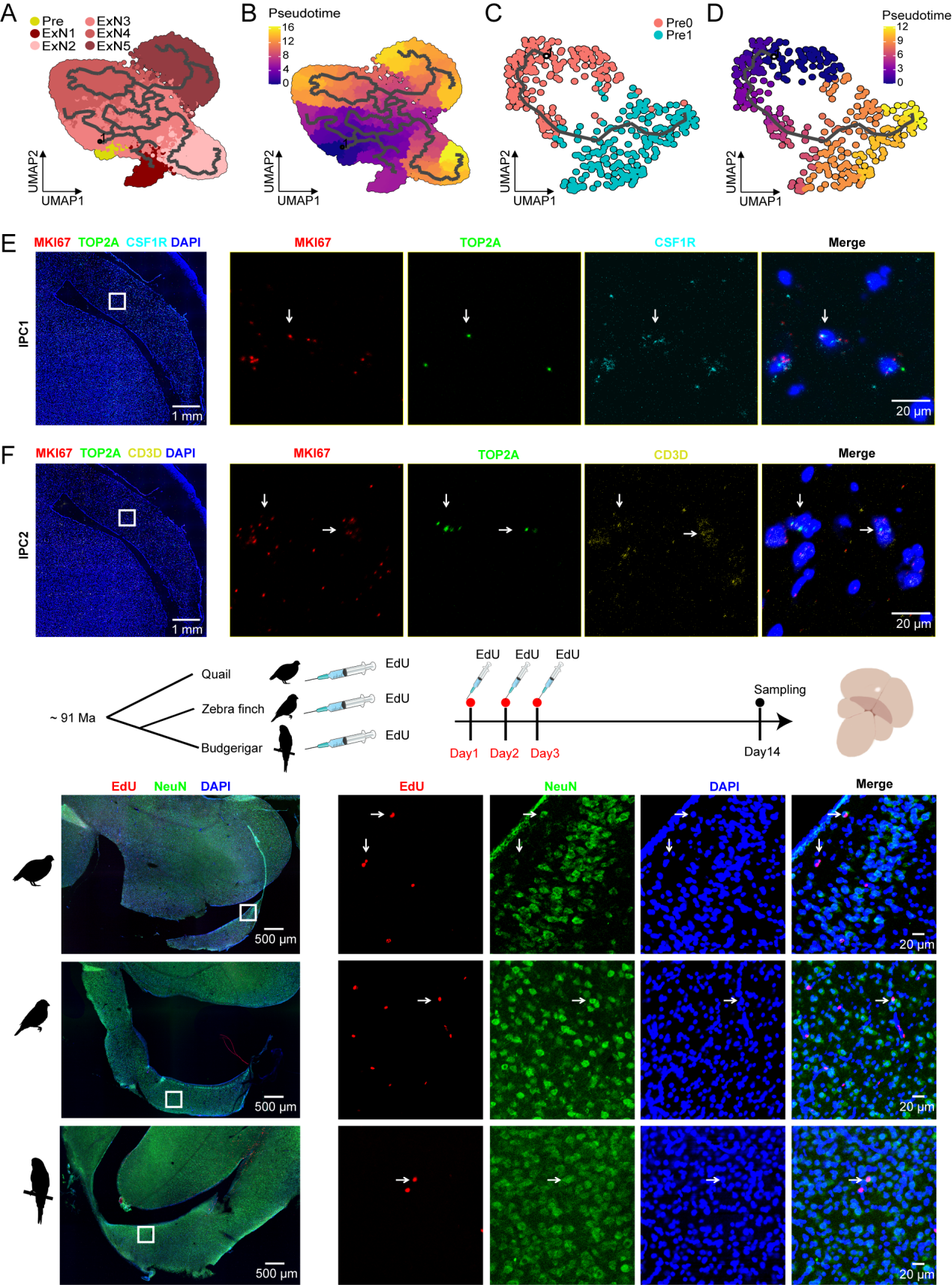 From wild to domestic: Single-cell transcriptomic perspectives on hippocampal regulation and evolutionHow domestication shapes brain evolution remains an open question. In this study, we integrated single-nucleus RNA sequencing (snRNA-seq), population genomics, and machine learning to investigate hippocampal evolution under domestication. Across-species comparisons revealed that hippocampal cell type profiles are largely conserved across vertebrate species, while supporting the presence of adult hippocampal neurogenesis in birds. We further found that domestication and selective breeding likely influence the cellular composition and molecular regulation of the hippocampus. Our findings provide cellular evidence supporting the hypothesis that domestication affects adult hippocampal neurogenesis. Additionally, we showed that genes associated with neural progenitor cells (NPCs) states and cell-marker programs are enriched for signatures of selection. Many of these genes function as regulators of neurogenesis and pathways mediating stress and fear reduction. Specifically, we identified selection at the FKBP5 promoter that may influence its expression in the NPC lineage, potentially contributing to stress-response regulation during domestication. Collectively, these results suggest that domestication is associated with hippocampal remodeling as part of an adaptive response to human-managed environments. This study provides a cellular and genetic perspective on how domestication reshapes the brain and offers a basis for further investigation into the mechanisms of neural evolution within the context of microevolution.Sep 03, 2026
 -
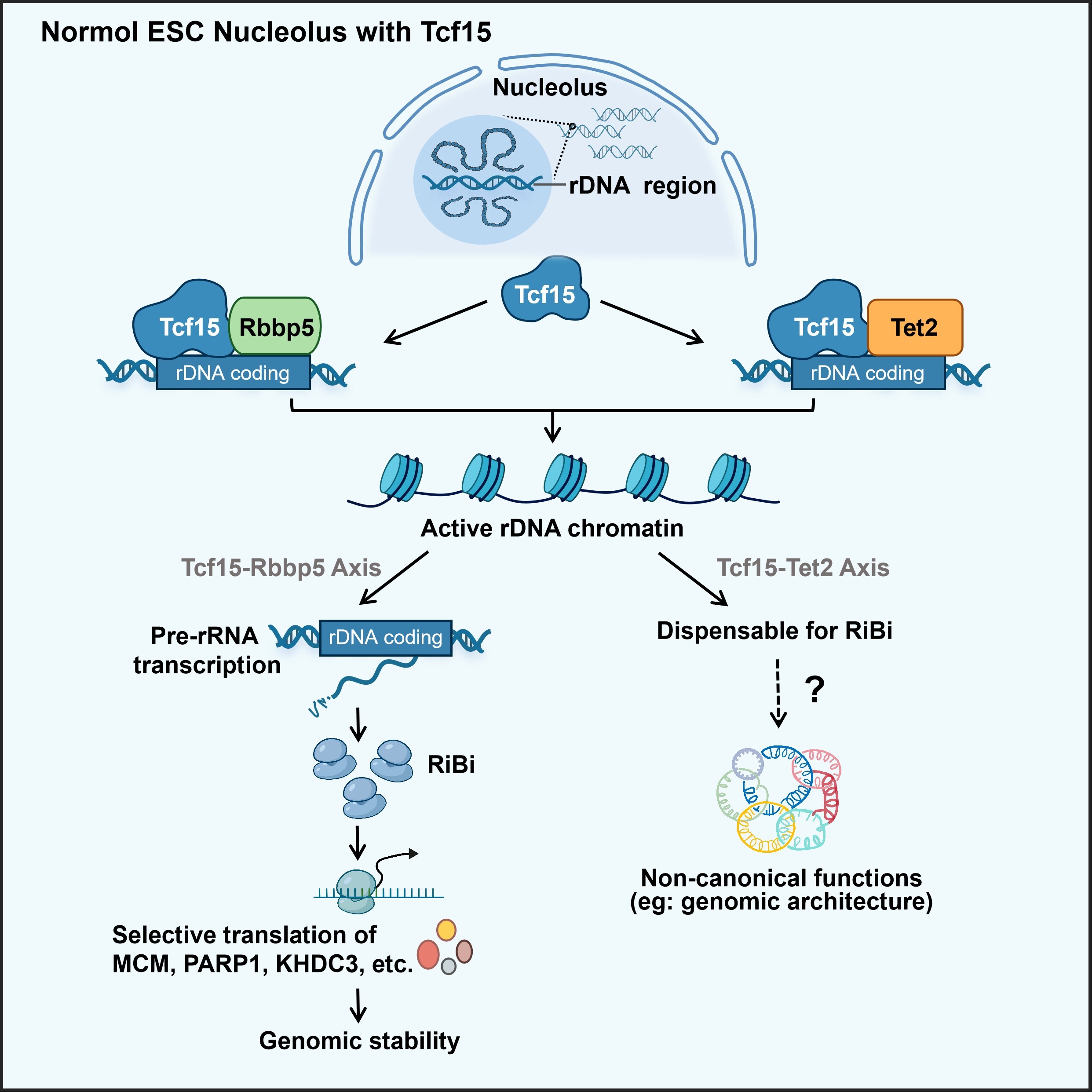 Tcf15 Safeguards Ribosome Biogenesis and Genome Stability in Embryonic Stem CellsEmbryonic stem cells (ESCs) exhibit a hyperactive chromatin state at ribosomal RNA (rRNA) genes, which not only plays roles in active rRNA synthesis and ribosome biogenesis (RiBi), but also links to genome architecture. However, how this active chromatin state is maintained in ESCs remains poorly understood. Here, we identify Tcf15, a mouse ESC-specific factor, as a novel regulator of ribosomal DNA (rDNA) chromatin state. Tcf15 localizes to the nucleolus, binds the coding region of rRNA genes, and independently recruits epigenetic modifiers—either Tet2 or Rbbp5 (a core component of H3K4 methyltransferases)—to promote an active chromatin configuration. Depletion of Tcf15 increases DNA methylation and H3K27me3 levels at rDNA. Intriguingly, the Tcf15-Rbbp5 axis ensures precursor rRNA transcription and RiBi, whereas the Tcf15-Tet2 axis is not involved in rRNA synthesis. Ribosome profiling further revealed compromised translation of a subset of mRNAs involved in DNA replication, damage response, and repair. Consequently, Tcf15- or Rbbp5-deficient ESCs exhibit severe genomic instability. Our findings add a new regulatory layer of chromatin state in rDNA of stem cells, and reveal a previously unrecognized phenotypic consequence of defective RiBi in ESCs.Aug 26, 2026
 -
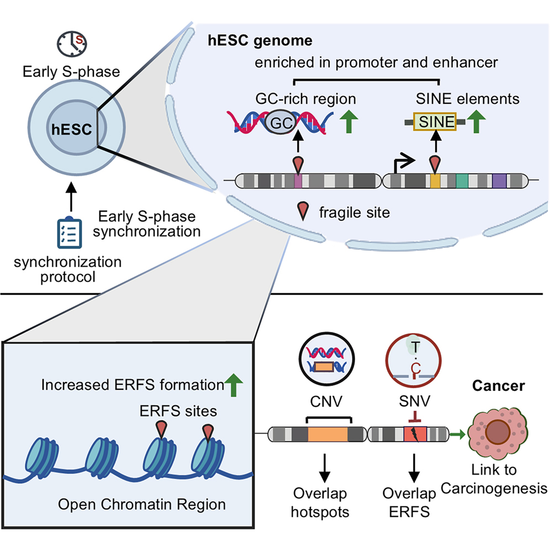 Fragile by Birth: First High-Resolution ERFS Map Reveals Why Human Stem Cells Break at Specific SpotsLong-term culture of human embryonic stem cells (hESCs) often induces chromosomal abnormalities, which limits their clinical use. However, the underlying mechanisms are unclear. Early replication fragile sites (ERFSs) are genomic loci susceptible to breakage in early S-phase and serve as hotspots for chromosomal rearrangements, with established links to carcinogenesis. To map ERFSs in hESCs, we established the early S-phase synchronization protocols and identified ERFSs. These ERFSs are enriched in GC content and short interspersed nuclear elements (SINEs) and are frequently located in promoters or enhancers of genes involved in pluripotency, proliferation, and genomic stability. ERFSs also overlap with regions associated with copy number variants (CNVs) and single nucleotide variants (SNVs) linked to cancers. Furthermore, we found that chromatin accessibility contributes to ERFS formation. Collectively, these findings provide a key resource for advancing ERFS research, offering insights into the phenotypic and genomic alterations observed in long-term hESC cultures.Jun 18, 2026
 -
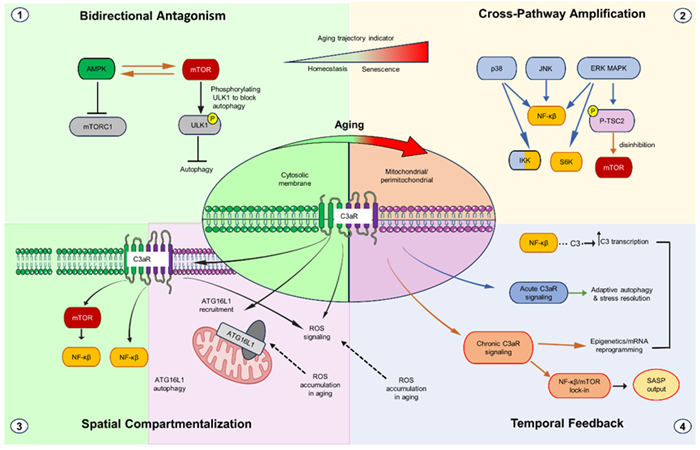 He Yonghan Team Reviews Complosome as Key Modulator of AgingThe complement system was originally discovered as a product of hepatocytes and immune cells secreted into circulation, mediating immune responses through the classical, lectin, and alternative pathways. However, recent findings have revealed that non-immune cells, including epithelial cells, endothelial cells, neurons, pancreatic islet cells, and fibroblasts, also express complement molecules localized to organelles such as lysosomes, endoplasmic reticulum, and mitochondria, forming an intracellular complement system independent of circulating complement. Named the "complosome," this system regulates apoptosis, metabolism, autophagy, and gene expression.Aug 26, 2026
 -
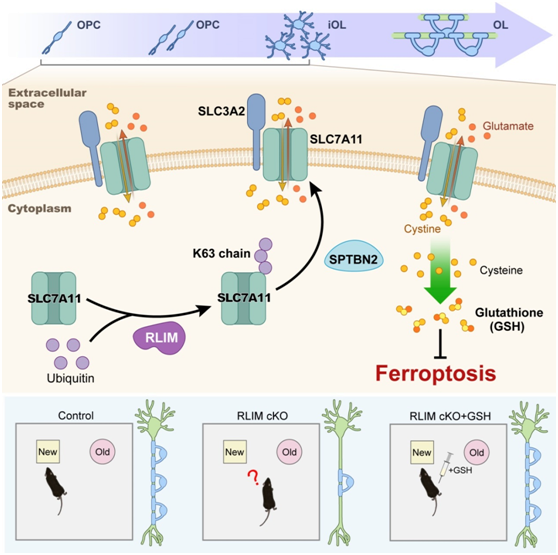 Mao Bingyu Team Reveals New Mechanism in Oligodendrocyte Development and MyelinationMyelin sheaths wrap neuronal axons and are essential for rapid nerve impulse conduction. Their formation depends on the proliferation, differentiation, and maturation of oligodendrocyte precursor cells (OPCs). Because myelination involves massive membrane expansion and high metabolic activity, OPCs face persistent oxidative stress. In a study published in Advanced Science, a team led by Prof. Mao Bingyu from the Kunming Institute of Zoology (KIZ), in collaboration with Prof. Zhao Shuhua's team at the First Affiliated Hospital of Kunming Medical University, revealed that the E3 ubiquitin ligase RLIM safeguards oligodendrocyte development and myelination by targeting SLC7A11 for polyubiquitination to regulate ferroptotic resistance.Aug 26, 2026