What did the very first complex vertebrate brain look like? To find out, scientists turned to an unlikely time traveler: the lamprey, a jawless, eel-like fish whose body plan has barely changed in roughly 360 million years.
In a cover study published in Science, researchers led by Bing Su at the Kunming Institute of Zoology (Chinese Academy of Sciences), together with colleagues at BGI-Research and Liaoning Normal University, built the first three-dimensional, single-cell atlas of an entire lamprey brain — essentially a high-resolution map showing where every cell sits and which genes it switches on.
The map held a surprise. Although lampreys split from our own ancestors about 450 million years ago, their brains share strikingly similar gene-expression patterns with the mouse across many regions. The takeaway: the common ancestor of all vertebrates likely already had a well-organized, molecularly complex brain. Yet each lineage also invented its own tricks — the lamprey has unique midbrain neurons and oversized “Müller cells,” while mammals went on to build the elaborate, layered cortex.
The atlas also showed how neurons grew more specialized over time. In the lamprey, many cells “moonlight,” carrying both excitatory (SLC17A6/7/8) and inhibitory (GAD1/2) signals at once — a versatile type the team named anamniote-enriched neurons, or AEN. In later, jawed animals, these gave way to “specialist” neurons with dedicated jobs, a shift that lines up neatly with an ancient whole-genome duplication that handed evolution a much bigger genetic toolkit.
Even the cerebellum — the brain’s coordination hub, whose origin has long been debated — showed early roots: lamprey cells resembling cerebellar neurons point to a diffuse, primitive “proto-cerebellum.”
Together, the findings reconstruct the brain’s ancient blueprint and offer a fresh lens on how complexity arose — including, perhaps, the deep history of our own minds.
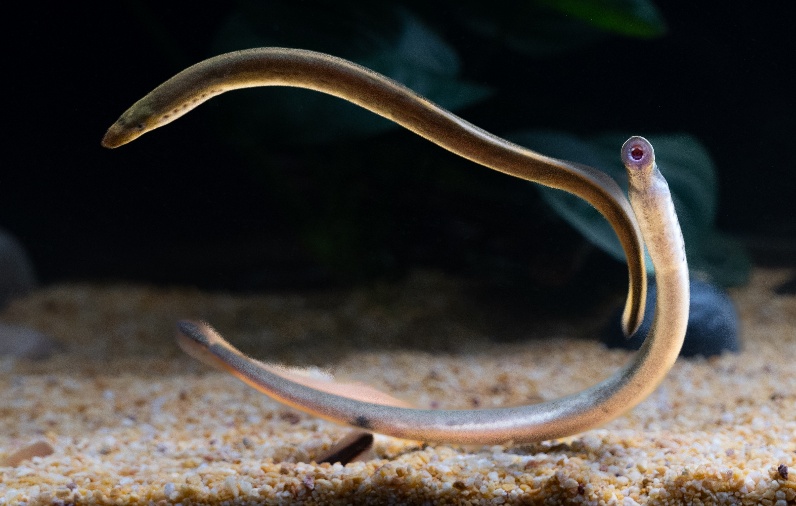
An adult Far Eastern brook lamprey (Lethenteron reissneri).
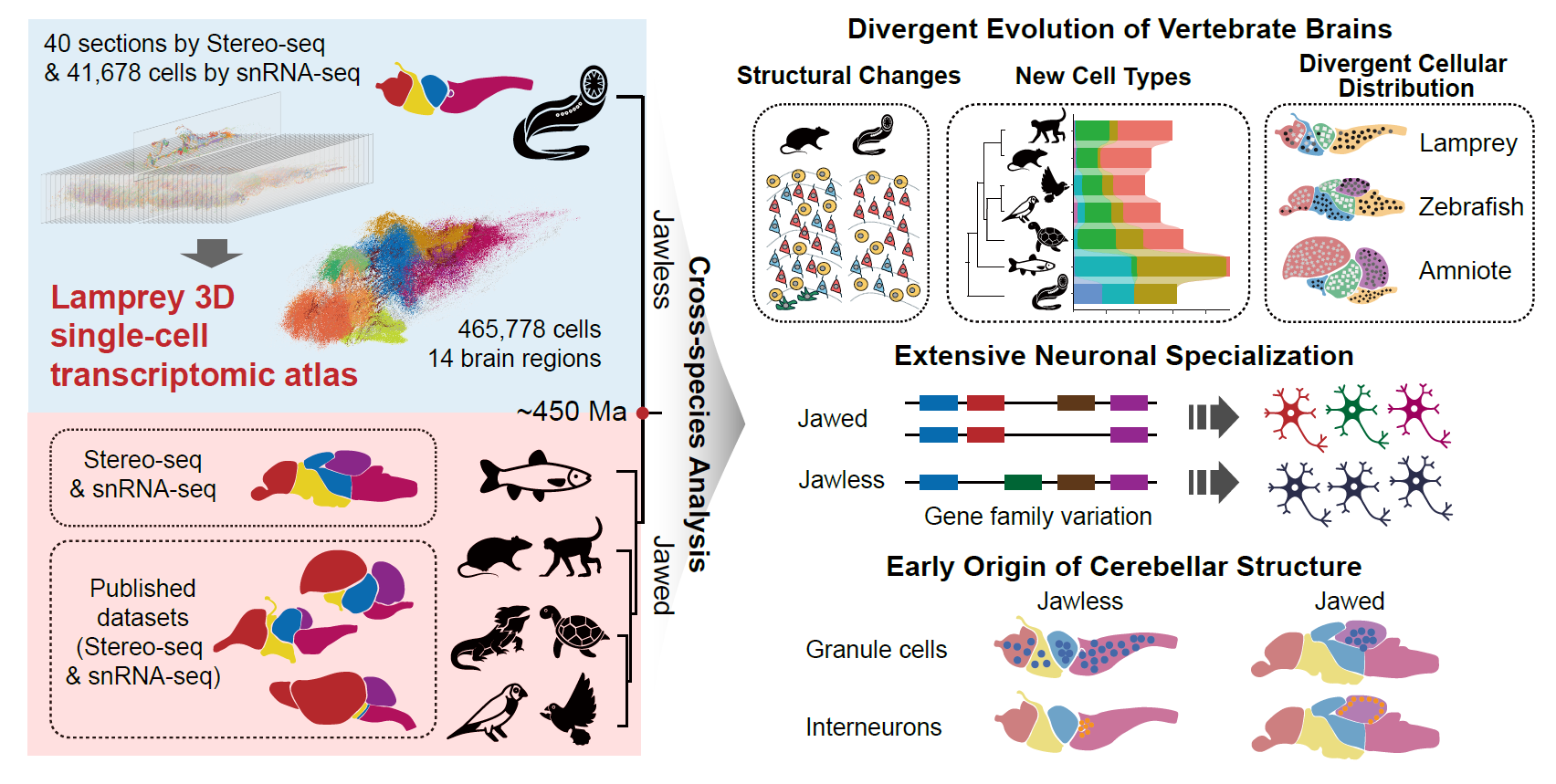
Three-dimensional reconstruction of the lamprey whole brain and the study’s main findings.
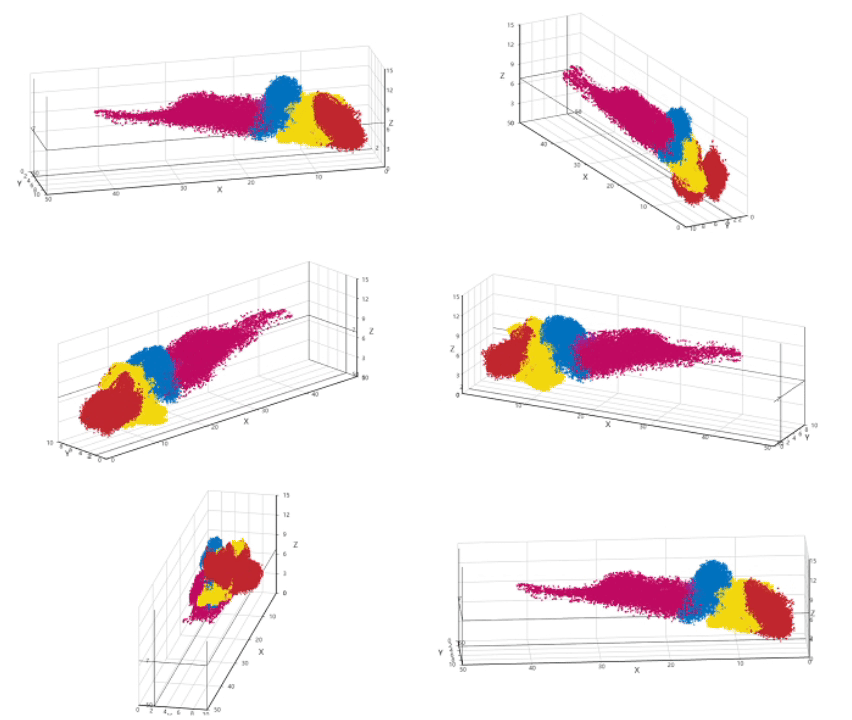
Three-dimensional reconstruction of the lamprey whole brain.
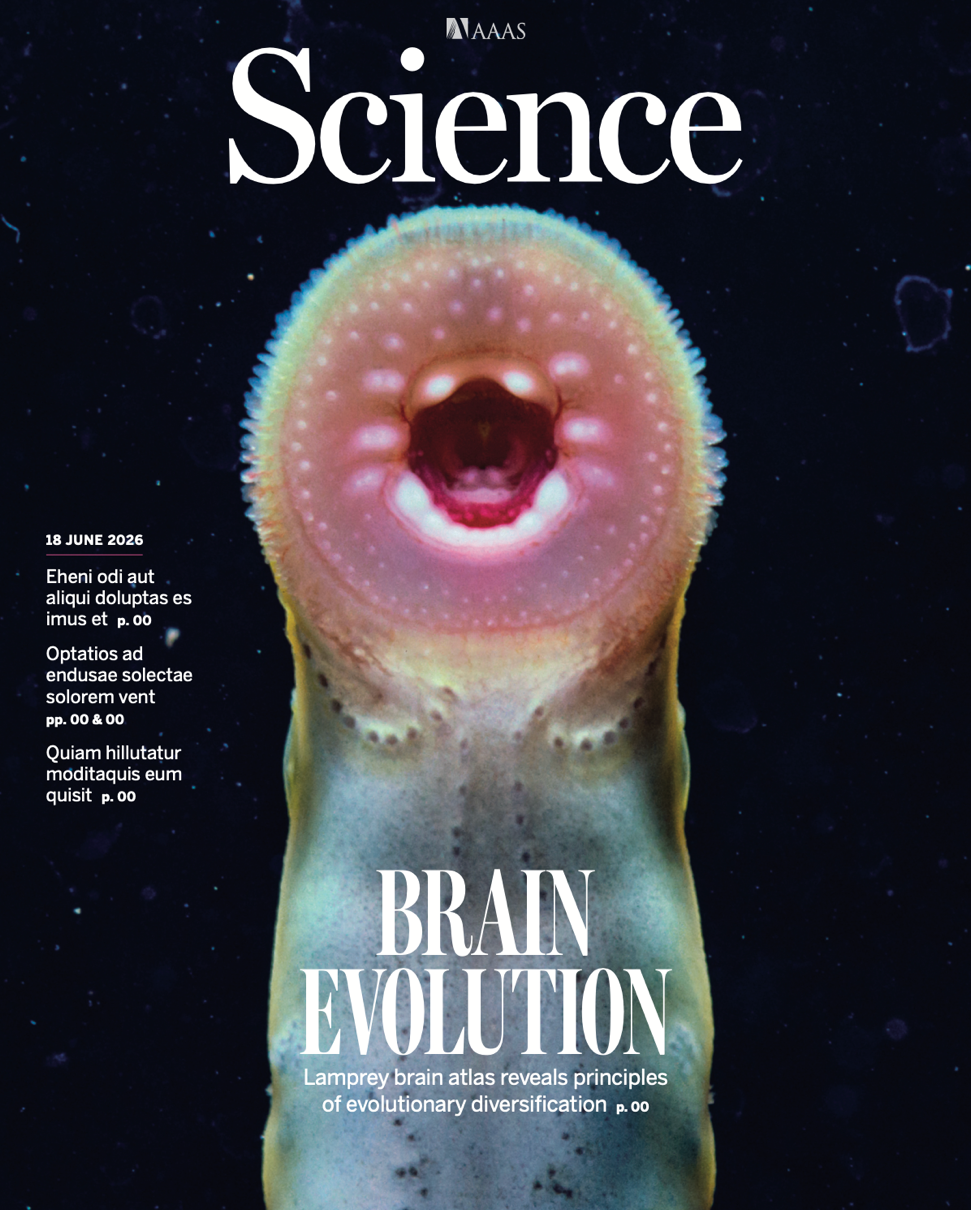
The study featured on the cover of Science.
Contact:
WU HaiXu, SU Bin
Kunming Institute of Zoology, Chinese Academy of Sciences,
Kunming, Yunnan 650201, China
Email: sub@mail.kiz.ac.cn